
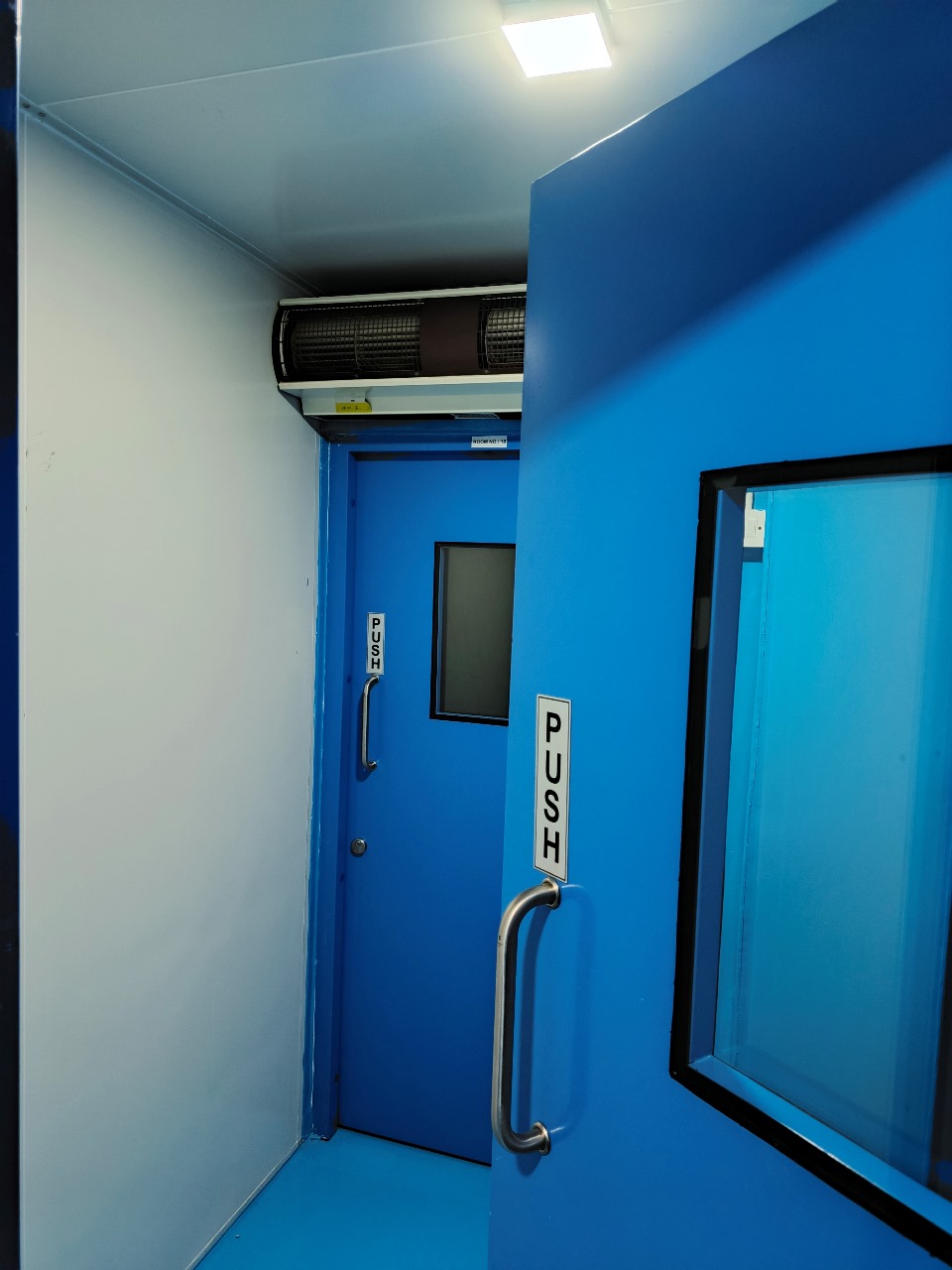
Clean room environments to control contamination; air filtered,temperature and humidity‐controlled production areas.
Separate zones for raw material handling, media preparation, sterilization, filling, packaging, and QC to avoid cross contamination.
Largescale preparators automatically weigh, mix, heat, and sterilize media batches (boiling/steam/autoclaving as needed).
Programmable recipes for different media types (selective, differential, enrichment, etc.), with precise control over pH, heating/cooling cycles, agitation and sterilization parameters.
Automated CIP (Clean In Place) / SIP (Sterilize In Place) systems to ensure hygiene between batches, reduce downtime, and maintain compliance.
Machinery to fill media into plates, petri dishes, bottles, tubes, or ready to use molded formats, depending on the product specification.
Automated dispensing ensures precise volumes and uniformity; integration with sensors to detect fill levels, lids/caps sealing, etc.
Automation reduces handling, thus lowering risk of contamination and human error. Speeds up throughput significantly.
In process checks for pH, viscosity, clarity and sterility, both pre and post sterilization.
Microbiological challenge tests: growth promotion, inhibitory substance tests, detection of contaminants.
Physical checks: packaging integrity, fill volume, labelling accuracy.
Use of validated standard operating procedures (SOPs), traceable records, batch numbering.
Adherence to international standards: GMP, ISO 9001, ISO 13485, ISO 11133, CE marking etc.
Periodic audits and validations of the automated systems, sterilizers, environmental control.
Automation allows scaling up production without compromising quality.
Ability to switch media types rapidly via recipe control and changeover protocols (e.g. from nutrient agar to selective agar) to meet demand.
Minimization of wastage through precise batching, real time monitoring, and process optimization.
Research & Development (R&D) unit for developing new media formulations, differential/selective media, ready to use media, etc.
Warehouse & logistical set ups for storage under controlled conditions (temperature, moisture), and distribution.


Automation ensures each batch conforms closely to specifications—critical for diagnostics, research, regulatory compliance.
Large scale automated mixing and filling reduce production cycle times.
Minimal manual intervention leads to fewer human errors and lower risk of contamination.
Products manufactured in such modern facilities gain credibility, especially for export, regulatory approvals, or for safety sensitive applications (clinical, food, pharma).
Though capital investment is high, per unit cost falls as scale increases. Reduced waste, labor costs and rework.
Automated systems minimize waste, optimize energy and water usage, and promote environmentally responsible manufacturing practices.
© Copyright 2025 - Bhat Bio Media | Powered by Channel Softech

Typically replies instantly